
Tips and Tricks
Use these tips and tricks to help improve your food, hygiene practices and cooking techniques. There are a range of tips and tricks that will benefit all!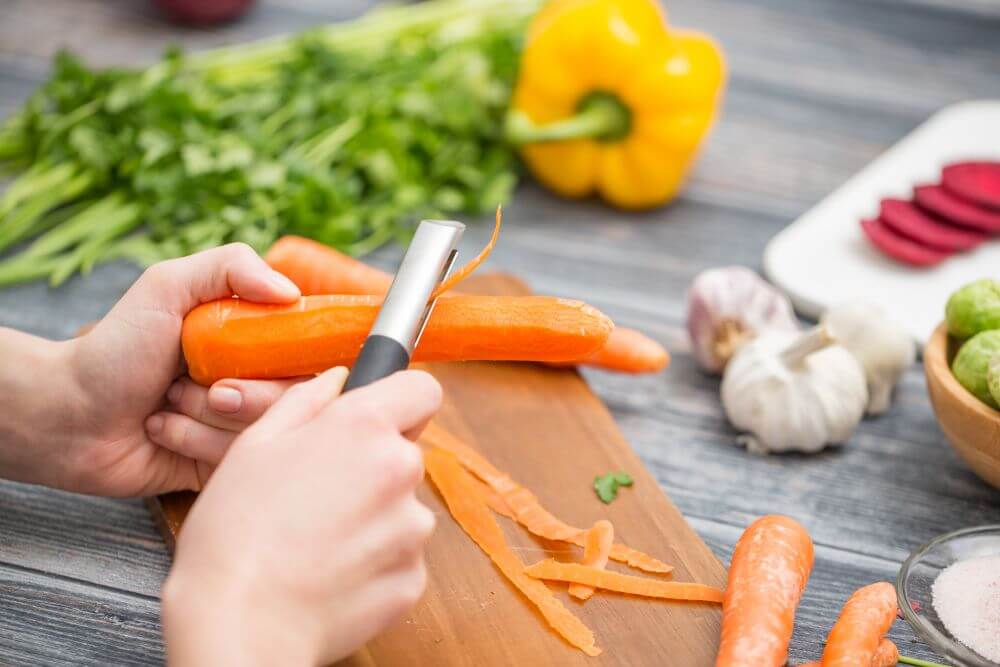
Stop peeling your produce
In most cases, peeling vegetables and fruits is a waste of food, time, money, fibre and nutrients. You don't actually need to peel most of your products and instead, you can just wash them before eating to remove dirt.

Keep Bananas seperate from other fruit
If you keep your bananas near other fruits, they ripen faster due to the ethylene gas released by fruit such as apples and pears. Once bananas are ripe, they produce ethylene gas, which ripens other fruits as well. If it is already too late, put them in the freezer and use them in one of our recipes (overripe banana ice cream).

Signs your food has gone bad
Expiration dates can’t always be relied upon to indicate spoilage. This is because the dates don’t take into account the various storage methods and/or room temperatures.

Don’t be a perfectionist
Although it may not feel like a crime, rummaging through a bin of apples until you find the most perfect looking one contributes to food waste. Even though fruits will taste the same no matter how they look, ‘ugly’ fruits and vegetables are always left behind and end up in our landfills. Do your part by simply choosing the slightly imperfect produce at the grocery store.

Keep your fridge orgainised
If you have heard of the saying “out of sight, out of mind you will probably understand why this is such a large issue in terms of food waste. You can easily reduce your food waste by keeping your fridge organised in a way that you can clearly see foods and know when you bought them. A smart way of stocking your fridge is by using the FIFO method, which stands for “first-in, first-out”. For example, when you buy a new loaf of bread, place the newer one behind the old one. This way you can ensure that the older food gets used and isn’t wasted.
Your guide to Composting
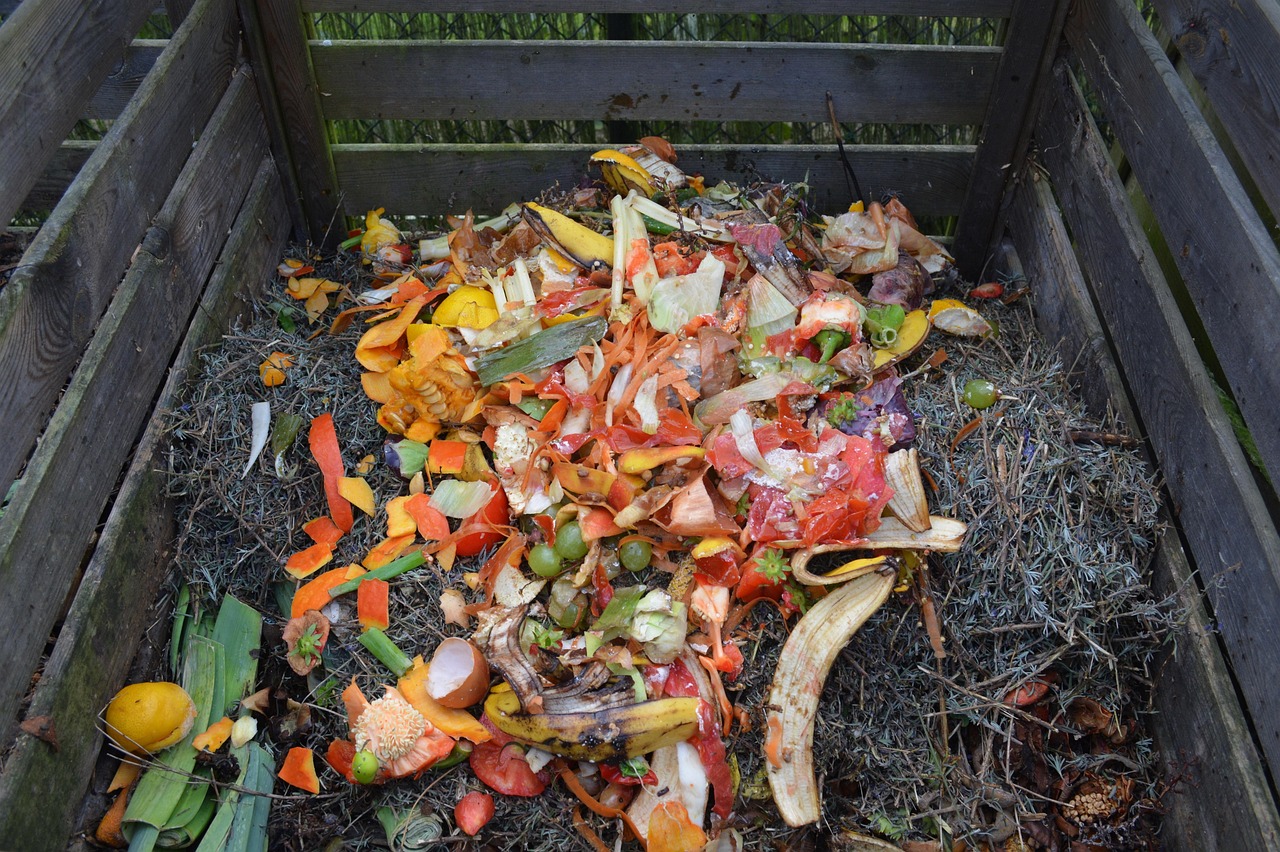
Composting is fairly simple but it is important to get it right.
These items can go in your compost bin
These items cannot go in your compost bin
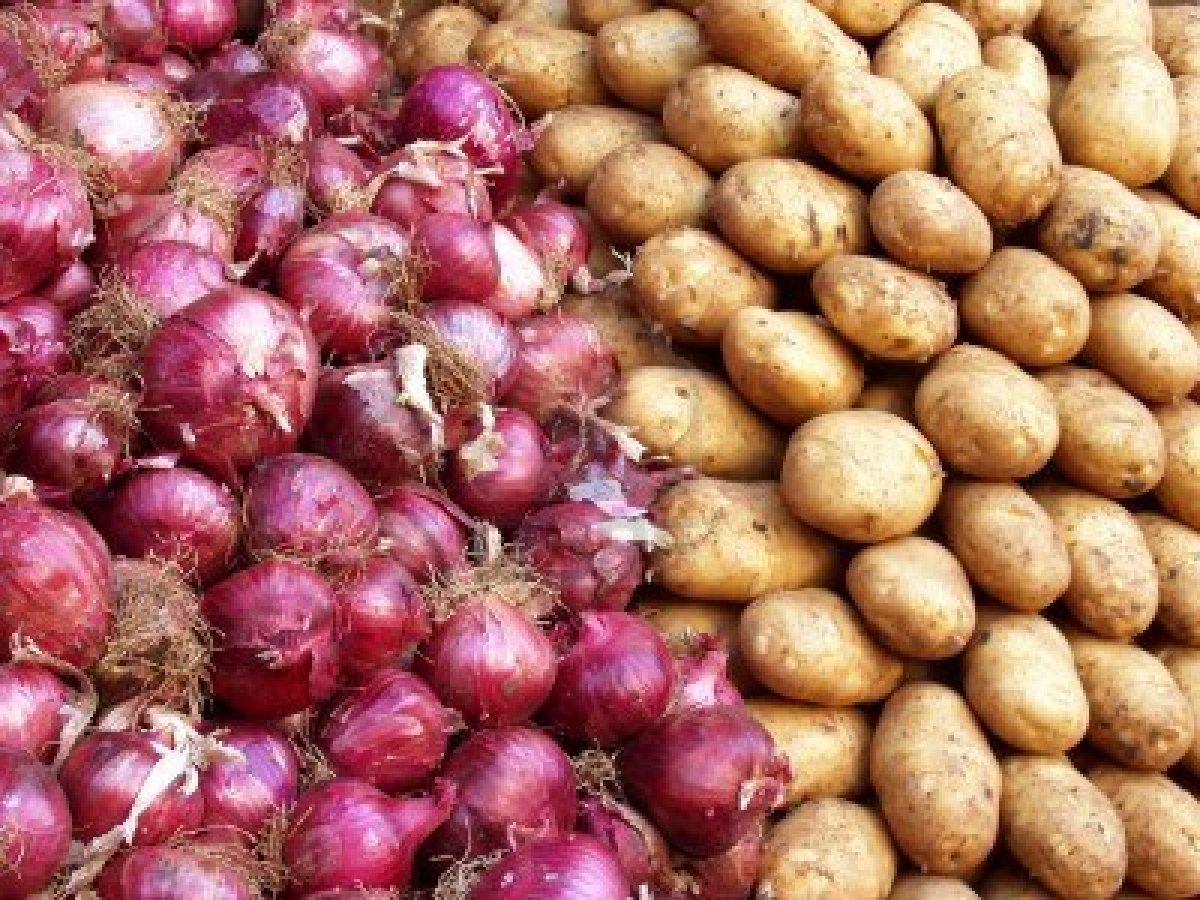
Store Onions away from potatoes
Although potatoes and onion both like cool, dark conditions, storing them together will cause them to sprout a lot faster. This is because both onions and potatoes release moisture, which can lead to them spoiling faster.